Is there a Difference Between AHK-Cu vs GHK-Cu Oceania? Peptides are essential in modern research, particularly regarding their potential in

When comparing Cartalax vs BPC-157, researchers examine how each peptide influences inflammatory pathways in research studies. Both peptides show promising roles in inflammation research, but they act through different biological targets. BPC-157 is studied for its broad activity in regulating inflammatory responses and supporting tissue recovery across soft tissue and injury related models. Oceania Researchers often associate it with wider inflammation control.
Cartalax, in contrast, focuses on cartilage biology. Studies explore how it supports cartilage cell signaling and matrix stability, which plays an important role in joint-related inflammatory environments.
These broad differences highlight why looking beyond surface-level roles helps clarify how inflammation behaves at the cellular level.
Explore Cartalax from Direct Peptides, a cartilage-focused peptide studied for its role in cartilage cell signaling and joint-related inflammation pathways.
 Inflammation studies examine how peptides interact with cellular signals that control stress and repair responses. Research shows that BPC-157 affects signaling linked to inflammatory messengers, growth factors and tissue repair processes. These signals guide how cells respond after injury or stress. Studies often connect this activity to changes in inflammation related communication inside soft tissues.
Oceania Research on Cartalax centers on cartilage cells and their internal signaling. Oceania Studies explore how these cells manage structure, balance, and matrix organization. This cellular focus influences how cartilage environments respond to stress. Research does not link Cartalax to widespread inflammatory signaling, but instead to localized processes inside cartilage tissue.
Since these pathway differences influence where inflammation develops, examining tissue-specific inflammation adds important context.
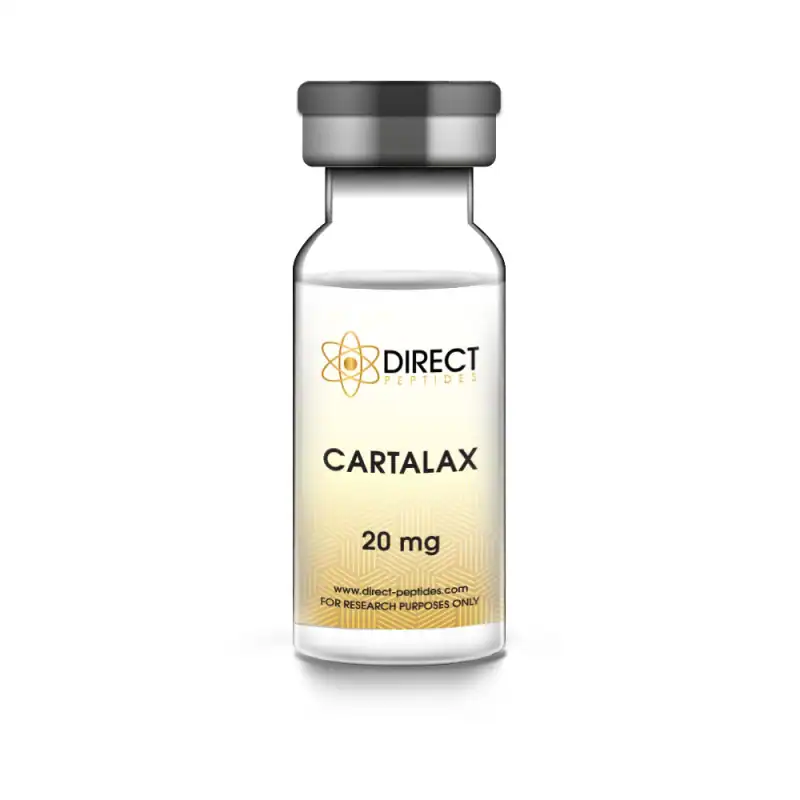 Cartilage inflammation begins when cartilage cells fail to maintain strength and balance inside joints. Oceania Studies show that Cartalax supports cartilage cell activity related to matrix stability and protein regulation. Healthy cartilage structure matters because damaged cartilage often drives joint stiffness and localized inflammation. This cartilage-focused activity places
Cartalax within joint-related inflammation discussions. In comparisons like Cartalax vs BPC-157, this cartilage specific role helps explain why Cartalax appears in studies centered on joint environments. Oceania Research links Cartalax to local cartilage processes rather than broad inflammatory signaling, which separates its role from peptides studied for wider inflammation effects.
Outside joint tissue, inflammation follows a different pattern that shapes how it is studied.
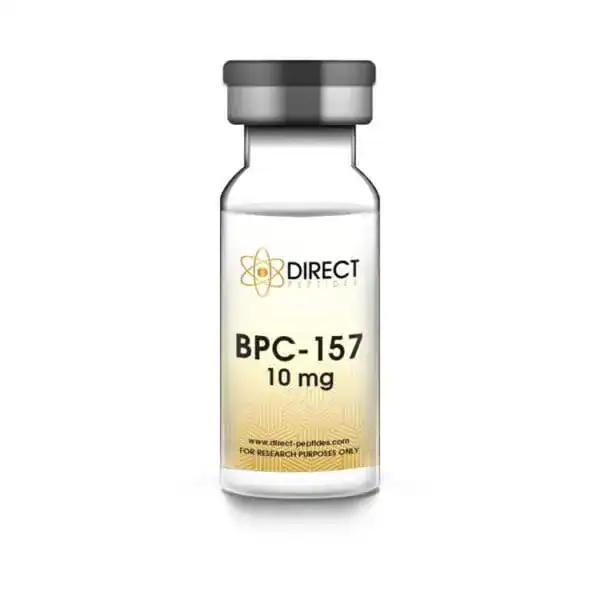 Soft tissue inflammation develops quickly in muscles, tendons, and ligaments because these tissues handle constant movement and physical stress. Inflammation in these areas appears fast and follows clear stages, such as swelling, stiffness and reduced function. These visible changes make soft tissues useful for studying how inflammation starts and progresses over short timeframes.
Oceania Researchers often examine BPC-157 in soft tissue models because these environments allow clearer observation of inflammation patterns and tissue response. Muscle and tendon models make it easier to track changes during stress and recovery without the slow structural shifts seen in cartilage.
Within discussions of Cartalax vs BPC-157, this helps explain why BPC-157 appears more often in soft tissue inflammation studies rather than joint-focused research.
These tissue differences also shape how long inflammation lasts and how relief appears over time.
Explore BPC-157 from Direct Peptides Oceania, a well-known peptide examined for its involvement in soft tissue inflammation, injury response, and tissue recovery pathways.
Inflammation relief differs between cartilage and soft tissue because these tissues heal in very different ways. Cartilage has limited circulation and lacks direct nerve connections, so nutrients and repair signals move slowly. Cartilage cells also divide and renew at a low rate. These factors make joint inflammation last longer and delay relief.
Soft tissues respond faster. Muscles and tendons receive strong blood flow that delivers immune cells and repair signals quickly. Inflammation rises and resolves in clear stages such as swelling followed by recovery.
This difference explains why studies on Cartalax vs BPC-157 often treat joint inflammation separately from soft tissue inflammation. Inflammation studies also examine immune-driven processes beyond tissue structure.
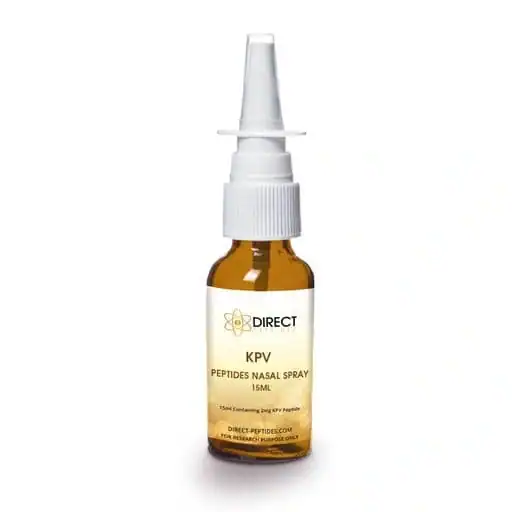
KPV is studied for how it affects inflammation through immune and barrier cells. Oceania Research looks at how KPV interacts with inflammatory signals inside these cells. These studies often focus on immune driven inflammation rather than tissue damage. This makes KPV different from peptides examined for cartilage or soft tissue response.
In Cartalax vs BPC-157 research contexts, KPV adds another angle to inflammation studies. Cartalax research focuses on cartilage inflammation while BPC-157 research often examines soft tissue inflammation. KPV studies help researchers explore inflammation control through immune signaling, which allows inflammation to be examined through a different biological path in research settings only.
With each peptide serving a distinct role, a side-by-side view helps bring these differences together.
Explore KPV from Direct Peptides Oceania, a short peptide explored for its connection to immune activity and inflammation-related signaling processes.
The comparison below shows how Cartalax, BPC-157, and KPV differ based on how researchers study them in inflammation-related models. It helps clarify which tissue or system each peptide targets and why their research roles do not overlap.
| Feature | Cartalax | BPC-157 | KPV |
|---|---|---|---|
| Primary research focus | Cartilage cell balance | Soft tissue response | Immune signaling |
| Main inflammation type studied | Joint and cartilage inflammation | Muscle, tendon, and connective tissue inflammation | Immune-driven inflammation |
| Tissue or system studied | Cartilage and joint tissue | Muscle, tendon, soft tissue | Immune and epithelial cells |
| Inflammation behavior observed | Slow and localized | Faster and more visible | Signal-driven immune response |
| Research role in inflammation | Cartilage structure support | Tissue response and recovery patterns | Inflammatory signal control |
Bringing these research approaches together helps explain how peptide selection aligns with specific study goals.
Inflammation studies work best when the peptide aligns with the biological process being examined. Cartalax is suited for studies that focus on cartilage balance and joint environments. BPC-157 is more relevant for investigations of soft tissue response following stress or injury. KPV is used in studies that target immune and inflammatory signaling rather than tissue structure.
Recognizing these differences allows researchers to design clearer studies and interpret results more effectively. At Direct Peptides, we understand that each peptide serves a specific role, and choosing the appropriate one depends on tissue type, inflammation behavior, and signaling focus, strictly within research settings.
[1] Serhan CN. Treating inflammation and infection in the 21st century: new hints from decoding resolution mediators and mechanisms. FASEB J. 2017 Apr;31(4):1273-1288.
[2] Vasireddi N, Hahamyan H, Salata MJ, Karns M, Calcei JG, Voos JE, Apostolakos JM. Emerging Use of BPC-157 in Orthopaedic Sports Medicine: A Systematic Review. HSS J. 2025 Jul 31:15563316251355551.
[3] Dalmasso G, Charrier-Hisamuddin L, Nguyen HT, Yan Y, Sitaraman S, Merlin D. PepT1-mediated tripeptide KPV uptake reduces intestinal inflammation. Gastroenterology. 2008 Jan;134(1):166-78.
Shop ALL Peptide Vials from Direct Peptides Oceania today, your trusted supplier of premium clinical grade peptides online.
How does Cartalax interact with cartilage matrix proteins?<
Cartalax relates to cartilage environments that rely on matrix proteins for structure and stability. Oceania Studies focus on how Cartalax supports cartilage cell signaling linked to matrix balance. Direct binding to specific matrix proteins is not clearly defined, but its activity aligns with processes that help maintain cartilage structure within joint tissue.
Why do cartilage studies take longer than soft tissue studies?
Cartilage studies take longer because cartilage lacks blood vessels and renews slowly. Signals and nutrients move by diffusion, not circulation. These limits slow cellular response and structural change, which extends study timelines compared to soft tissue, where blood flow supports faster inflammatory and structural responses.
How does tissue structure influence inflammation research outcomes?
Tissue structure controls how inflammation signals spread and resolve. Soft tissues allow fast immune signaling due to strong blood flow. Cartilage restricts signal movement because of its dense matrix and lack of vessels. These differences affect how quickly inflammation appears and how outcomes are measured.
Why is cartilage inflammation harder to detect than soft tissue inflammation?<
Cartilage inflammation is harder to detect because cartilage does not swell or show clear immune cell movement. Inflammatory signals stay localized and low in intensity. These features make changes subtle, slow to appear, and harder to measure compared to visible inflammation in soft tissue.
Cartalax vs BPC-157: how does tissue structure affect study timelines?</
In Cartalax vs BPC-157 comparisons, tissue structure shapes study timelines. BPC-157 studies often use soft tissue models with fast, visible changes. Cartalax studies focus on cartilage, where dense structure and slow cell activity delay measurable responses, requiring longer observation periods.
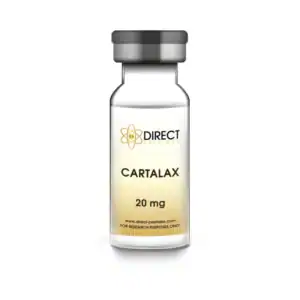
Cartalax Peptide Vial
Price range: £41.50 through £50.48 Select options This product has multiple variants. The options may be chosen on the product page
New Reduced Price
New Reduced Price
New Reduced Price
New Reduced Price
Thymosin Alpha1 Pre-Mixed Pen 10mg Peptide
Price range: £58.83 through £158.84 Select options This product has multiple variants. The options may be chosen on the product page
BPC-157 KPV Nasal Stack
Price range: £41.13 through £73.26 Select options This product has multiple variants. The options may be chosen on the product page
BPC-157 Thymosin Alpha-1 GHK-Cu Stack
Original price was: £82.71.£74.43Current price is: £74.43. Add to cart
ARA290 Peptide Vial
Price range: £8.33 through £17.31 Select options This product has multiple variants. The options may be chosen on the product pageIs there a Difference Between AHK-Cu vs GHK-Cu Oceania? Peptides are essential in modern research, particularly regarding their potential in
Benefits of HCG For Men Oceania Exploring the Benefits of HCG for Men Oceania Human Chorionic Gonadotropin (HCG) is becoming
Is Cartalax Bioregulator Oceania the Future of Arthritis Management? Yes, Cartalax Bioregulator shows potential in arthritis research by targeting pathways

What Are the Best Peptides for Hair Growth Oceania? Hair loss is a widespread issue, leading many to explore potential